Data 01
38,517
Indo-Gangetic Plain
India, Pakistan and Bangladesh
Explore industrial assets across South Asia and Africa, now including city-scale collections for Lahore and Kampala. Free to download for research, policy and public-interest work.
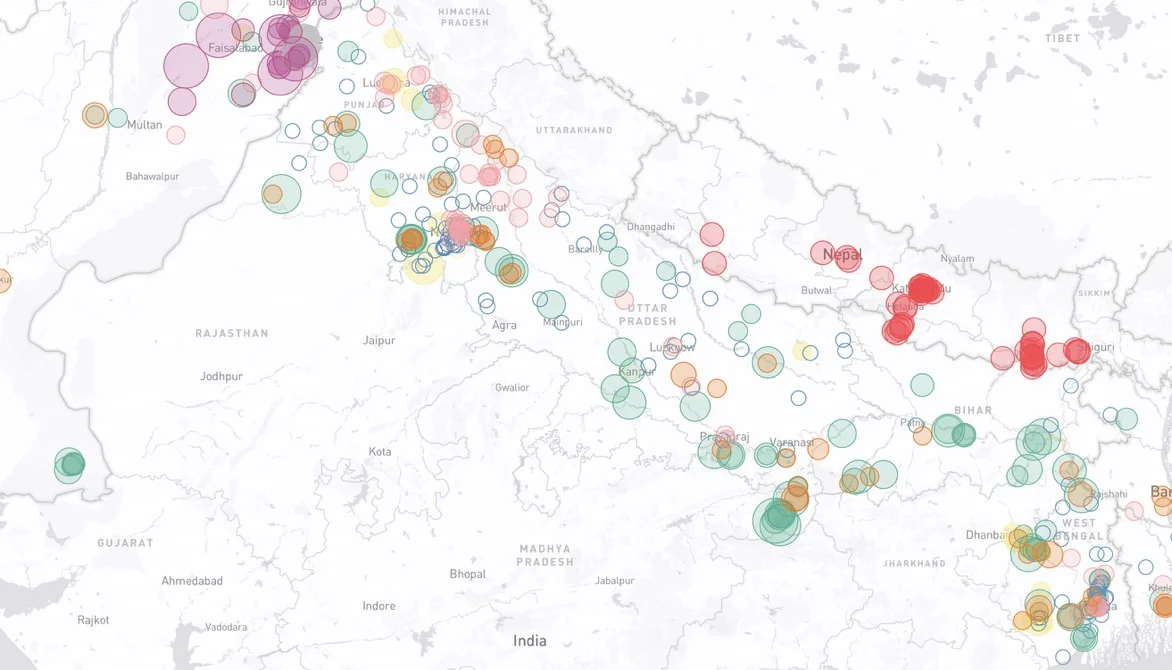
A simple snapshot of the files available here. Each download includes coordinates and the sector attributes present in the source data.
Mapped records across South Asia, Africa, Lahore and Kampala.
India, Pakistan and Bangladesh
7 downloadable sector files
Lahore and Kampala
Counts are calculated from the 19 CSV files currently linked on this page.
Browse APAD-managed registry entries with dataset documentation, licenses, citations and no-account command-line access.
Focused urban inventories for fast local analysis, validation and on-the-ground planning.
Other manufacturing — Lahore
A geolocated inventory of other manufacturing facilities across metropolitan Lahore.
Industrial sites — Kampala
Verified, high-confidence industrial sites classified across Kampala’s urban area.
Long-range inventories covering the Indo-Gangetic Plain and the African continent.
India · Pakistan · Bangladesh
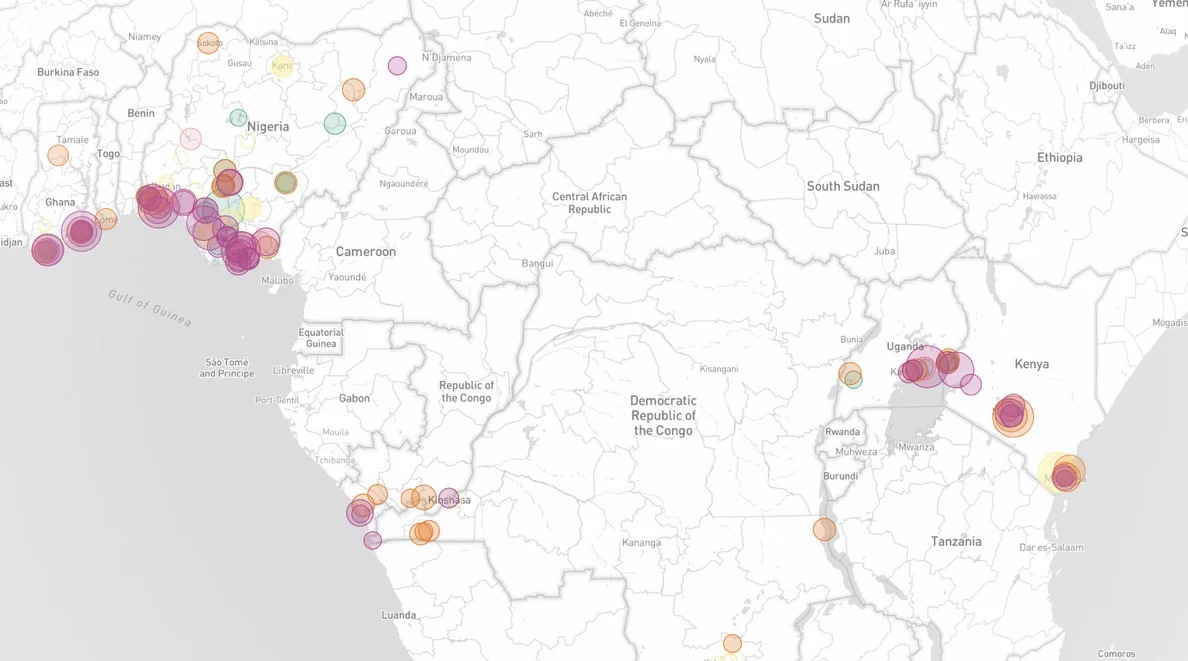
Continent-wide industrial coverage
To Prof Doreen Boyd and her team, for generously sharing data that contributed to our brick-kiln detection model and enabled coverage across the entire Indo-Gangetic Plain.